
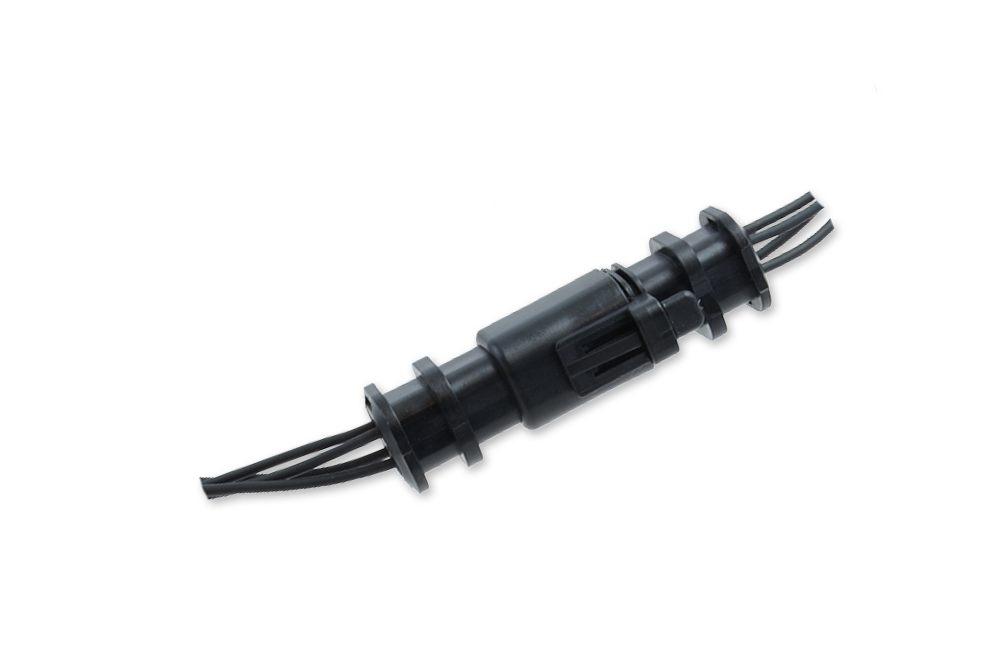
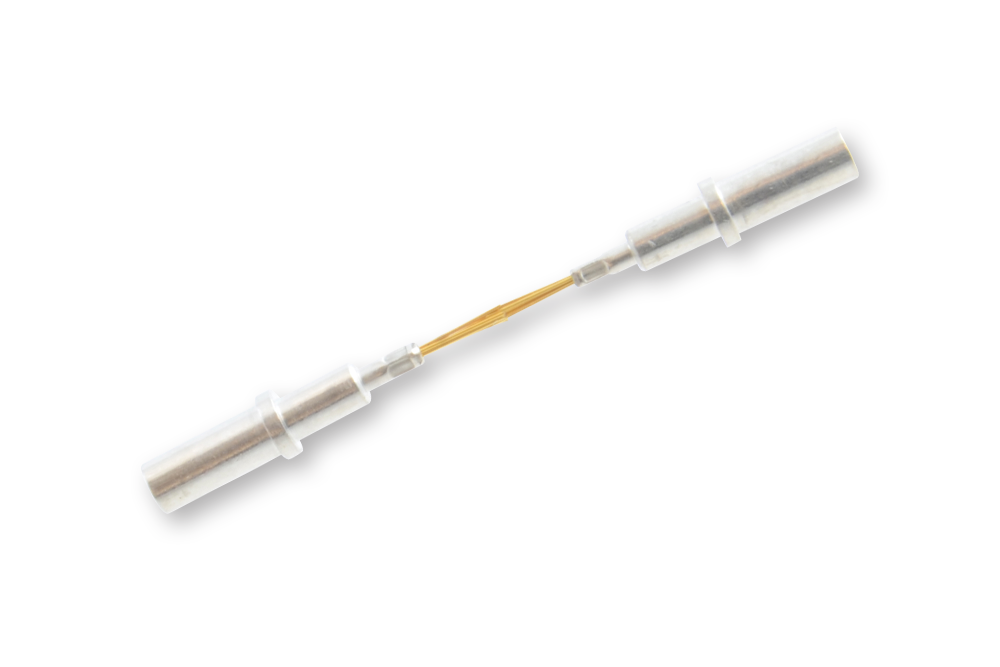
AHVB High Vibration Brush Terminal Solutions
Brush signal terminals for high-vibration equipment
High vibration brush terminal performance is critical in engines, sensors, modules, and other industrial systems where constant motion can lead to fretting, intermittencies, corrosion, leakage, and early connector failure. The AHVB series from Amphenol Industrial Operations was developed from proven brush terminal technology used in harsh-environment applications and adapted for demanding industrial markets. AHVB is engineered for signal applications that require low insertion force, high mating cycle durability, and dependable electrical performance in severe vibration environments.
AHVB stands apart from conventional contact systems because each terminal uses multiple high-tensile bristles on each side of the contact, creating multiple points of contact when mated. This design helps reduce the effects of micromotion while supporting stable connection integrity over time. For OEMs and engineers designing systems for heavy equipment, mining, medical, rail mass transit, and similar industrial applications, AHVB offers a rugged signal terminal solution in a compact footprint for harsh-environment use.
At a Glance
- 5A
- Continuous signal
- 14–70
- Mated contact points
- 53.8grms
- Published vibration
- 1.0oz typical
- Insertion force
- Up to100k
- Mating cycles
Key Features
Engineer Benefits
Zero fretting
Brush terminals are designed to resist fretting from repeated micromotion.
- Limits wear caused by contact micromotion.
- Helps prevent intermittent signal paths.
- Supports stable contact resistance over service.
14 to 70 points of contact when mated
Multiple contact points provide redundancy at the mated interface.
- Provides redundant conductive paths.
- Helps preserve signal continuity during motion.
- Supports stable contact engagement.
Interface seals impervious to chemicals/caustic fluids
Interface seals resist the stated chemical and caustic-fluid exposure.
- Supports equipment exposed to oils or fluids.
- Helps preserve sealing in chemical exposure.
- Allows materials to match the operating environment.
Low insertion force (1.0 oz typical)
Low insertion force reduces engagement effort at high I/O counts.
- Speeds connection and disconnection.
- Provides secure mechanical engagement.
- Simplifies access during service.
Small package size - size 22
The size 22 terminal format supports compact signal packaging.
- Conserves equipment space.
- Supports integration in smaller enclosures.
- Reduces interconnect packaging requirements.
Applications
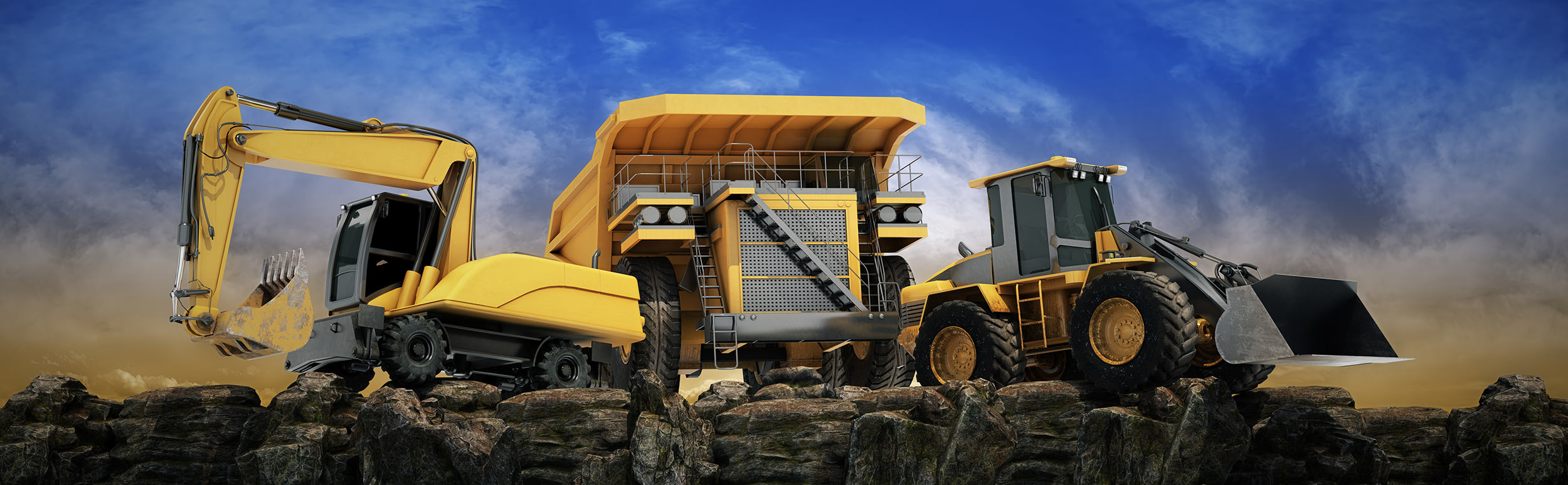
Heavy Equipment
On-engine sensors; mining and harness connections
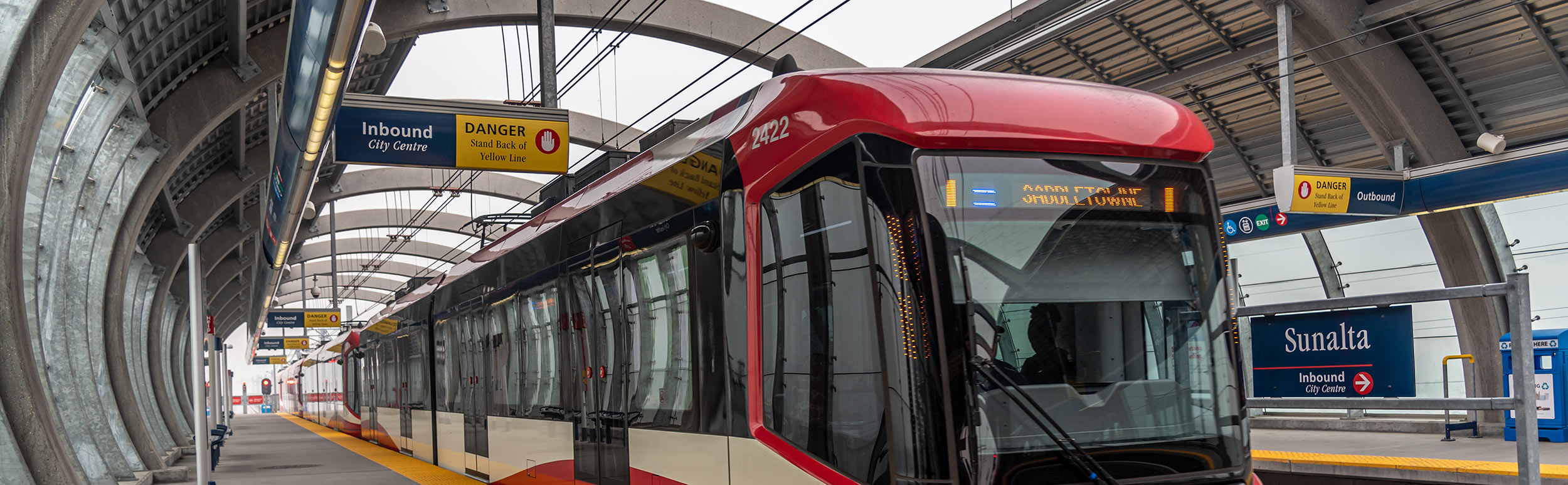
Rail Mass Transit
Vibration-exposed signal systems
Engineer Tips
Terminal integration
Define the complete device, housing and seal design for inline or embedded contacts.
Electrical limits
Confirm the 5 Acontinuous rating with the conductor and temperature conditions.
Vibration
Match the 53.8 grms qualification profile to actual equipment loading.
Wire interface
Choose the required 22–16 AWG cable or PCB-tail termination and match the contact to the housing.
Frequently Asked Questions
What is a high vibration brush terminal?
A high vibration brush terminal is a signal contact solution designed to maintain reliable electrical performance in environments exposed to constant motion, shock, and vibration. AHVB uses a multi-bristle contact design to help reduce fretting and support stable signal integrity in harsh industrial applications.
What makes AHVB different from traditional contact systems?
AHVB uses multiple high-tensile bristles on each side of the contact to create multiple contact points when mated. This design helps improve performance in severe vibration environments compared with conventional contact systems that may be more susceptible to micromotion-related wear and intermittent signal issues.
What applications is AHVB designed for?
AHVB is designed for harsh-environment signal applications in markets such as heavy equipment, mining, medical, and rail mass transit. Typical use cases include on-engine sensors, in-line harness connections, modules, and other systems where vibration resistance and reliable signal continuity are critical.
Why would an engineer choose a high vibration brush terminal?
Engineers may choose a high vibration brush terminal when they need a compact signal contact solution that supports low insertion force, high mating cycle durability, and dependable electrical performance under severe vibration. AHVB is especially useful where traditional contact systems may experience fretting, wear, or intermittent performance over time.
Is AHVB suitable for harsh industrial environments?
Yes. AHVB is designed for demanding industrial environments where vibration, motion, temperature exposure, and fluid resistance all matter. Its rugged brush contact design makes it well suited for applications that require long-term signal performance in challenging operating conditions.
Design and Integration
A high vibration brush terminal is designed to solve one of the most persistent problems in harsh industrial environments: loss of reliable signal continuity caused by vibration and fretting. Traditional contact systems can struggle in on-engine and high-motion applications where repeated micromotion degrades the contact interface. AHVB addresses that challenge with a brush contact design that supports low mating force, contact redundancy, and long-term performance under vibration.
Typical use cases include on-engine sensors, in-line harness connections, devices, and modules where dependable signal integrity is essential. Because AHVB can be used either as an in-line solution or designed directly into devices and sensors, it gives engineers added flexibility when building more reliable interconnect systems.
Technical Highlights
- Voltage: 1000 VDC
- Current Rating: 5A
- Certifications: SAE J2030
- Cable O.D.: 22 to 16 AWG
- Mating cycles: Up to 100K
- Wire size (mm²): 22 to 16 AWG
- Contact plating: Gold
- Contacts: Copper
- Temperature range: -40°C to 150°C
- Protection class: IP67
Specifications
| Voltage | 1000 VDC |
|---|---|
| Current Rating | 5A |
| Certifications | SAE J2030 |
| Cable O.D. | 22 to 16 AWG |
|---|---|
| Mating cycles | Up to 100K |
| Wire size (mm²) | 22 to 16 AWG |
| Contact plating | Gold |
|---|---|
| Contacts | Copper |
| Temperature range | -40°C to 150°C |
|---|---|
| Protection class | IP67 |
Documents
Data sheets
| Resource | Download |
|---|---|
| Ahvb Connector Series Ids 84 |
Application Notes
| Resource | Download |
|---|---|
| High Vibration Brush Series Ian 98 |
Related Products

Engage with our skilled sales and technical teams who are committed to offering you personalized assistance tailored specifically to your project requirements.
Online quote
Support